


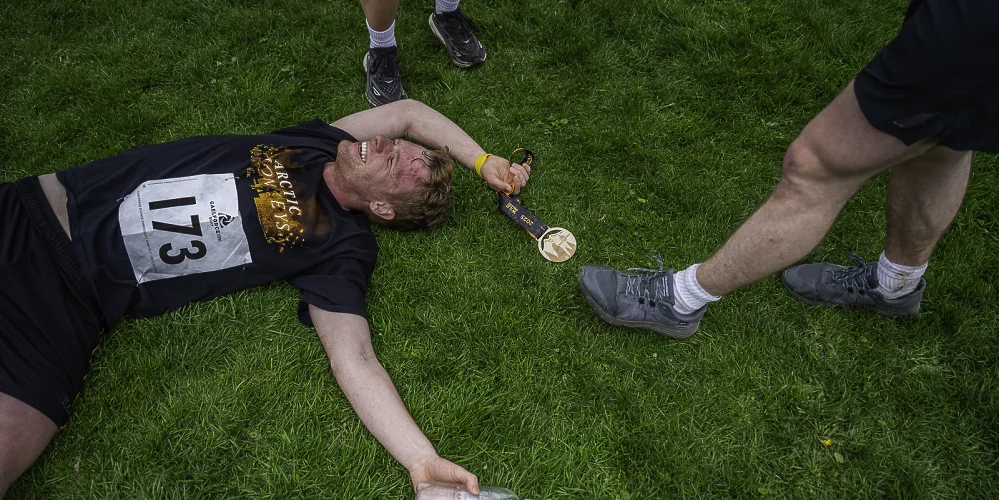
When it comes to improving performance, most athletes immediately think about training sessions, mileage, or time spent in the gym. But on World Sleep Day, it’s worth highlighting one of the most powerful performance tools available to every athlete: sleep.
Whether you're preparing for the trails of Gaelforce 10K Trilogy, building endurance for the open water challenges of Gaelforce Great Swim Trilogy, taking on the legendary adventure race Gaelforce West, or preparing to tackle the mud and obstacles of Turf Warrior, sleep plays a crucial role in how well you train, recover and ultimately perform.
Recovery happens when you sleep
Every training session places stress on the body. Muscles develop tiny tears, energy stores are depleted, and your nervous system becomes fatigued.
Sleep is when your body gets to work repairing that damage.
During deep sleep, the body releases growth hormone which helps repair muscle tissue, rebuild strength and support recovery. This process is essential if you want to train consistently and avoid burnout or injury.
Without enough sleep, recovery becomes slower. You may notice lingering soreness, reduced motivation to train, or sessions that feel harder than they should. Over time, poor sleep can even increase the risk of injury.
For endurance athletes and adventure racers, this recovery window is vital. Training for events like Gaelforce West or the 10K Trilogy often involves hills, uneven terrain and long sessions outdoors, which place additional demands on the body.
Sleep improves performance
Sleep doesn't just help you recover, it also helps you perform better.
Research has shown that athletes who consistently get enough sleep experience improvements in reaction time, endurance, speed and coordination. These benefits are especially important for athletes navigating technical trails, open water conditions or obstacle courses.
Imagine descending a rocky trail, swimming in changing water conditions or tackling obstacles late in a race. Your brain and body need to be sharp, responsive and focused. Sleep helps make that possible.
Even small improvements in sleep quality can translate into better training sessions and stronger race-day performances.
Sleep supports your immune system
Consistent training requires staying healthy. Heavy training loads can weaken the immune system, making athletes more vulnerable to illness.
Sleep plays a critical role in regulating immune function and helping the body fight off infections. Missing training because of illness can disrupt weeks of preparation, so prioritising sleep is one of the simplest ways to keep your training on track.
How much sleep do you need?
Most adults need between 7 and 9 hours of sleep each night, but athletes often benefit from being closer to the higher end of that range.
A few simple habits can help improve sleep quality:
- Keep a consistent sleep schedule
- Limit screen time before bed
- Allow time to wind down after evening training sessions
- Keep your bedroom cool, dark and quiet
Train hard. Recover smart.
The most successful athletes know that progress doesn’t only happen during training sessions. It happens during recovery.
So this World Sleep Day, remember that every hour of quality sleep is an investment in your next training session, your next challenge and your next finish line.
Train hard. Recover well. Sleep better.
Back
