


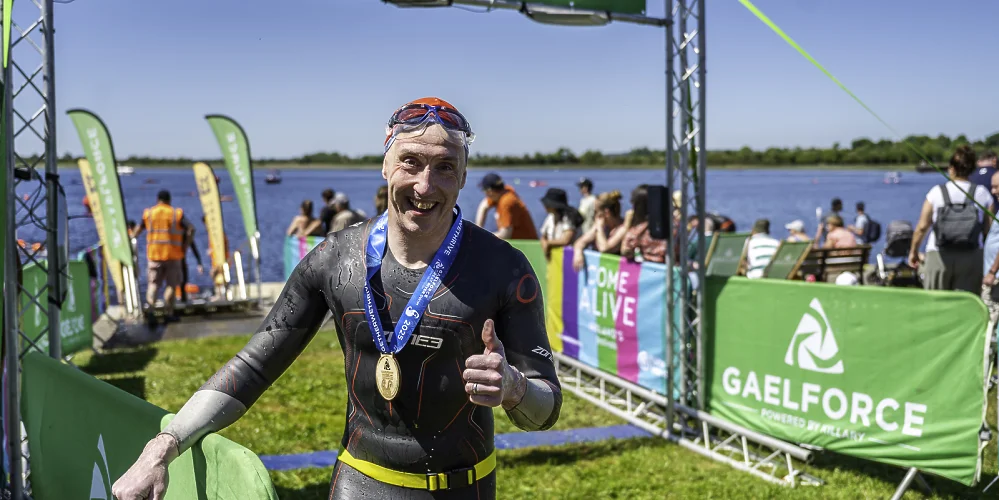
Open-water swimming presents unique challenges compared to the pool: waves, currents, and long distances all demand more than just raw strength. One of the most important skills for endurance swims is efficient breathing. Proper breathing rhythm conserves energy, keeps you on course, and makes long distances feel more manageable.
Bilateral breathing
Bilateral breathing means alternating sides every few strokes. This technique balances muscle usage, prevents neck or shoulder strain, and allows you to adapt to waves coming from different directions. By breathing on both sides, you also maintain symmetry in your stroke, reducing fatigue over longer distances.
Controlled exhale underwater
A common mistake in open-water swimming is holding your breath too long or gasping for air. Exhaling underwater in a controlled rhythm ensures you’re ready to inhale efficiently when you turn your head. This keeps your stroke smooth, reduces tension, and helps maintain endurance over long swims.
Sight regularly
Open-water swimmers often zig-zag, which wastes energy and increases swim distance. Lift your eyes every 6–8 strokes to check landmarks or buoys. This small adjustment keeps your course straight, improves efficiency, and prevents unnecessary effort.
Benefits of proper breathing rhythm
By combining bilateral breathing, controlled exhalation, and regular sighting, you’ll:
- Conserve energy for longer swims
- Maintain a straight, efficient course
- Reduce fatigue and improve overall performance
Whether preparing for Gaelforce Great Swim Trilogy or any open-water adventure, practicing your breathing rhythm in training is key. Focus on smooth, controlled breaths, stay aware of your surroundings, and you’ll swim farther, faster, and smarter.
Back
